Pressure Washing
Project-specific pressure washing for compatible concrete, hardscapes, parking structures, and durable surfaces.
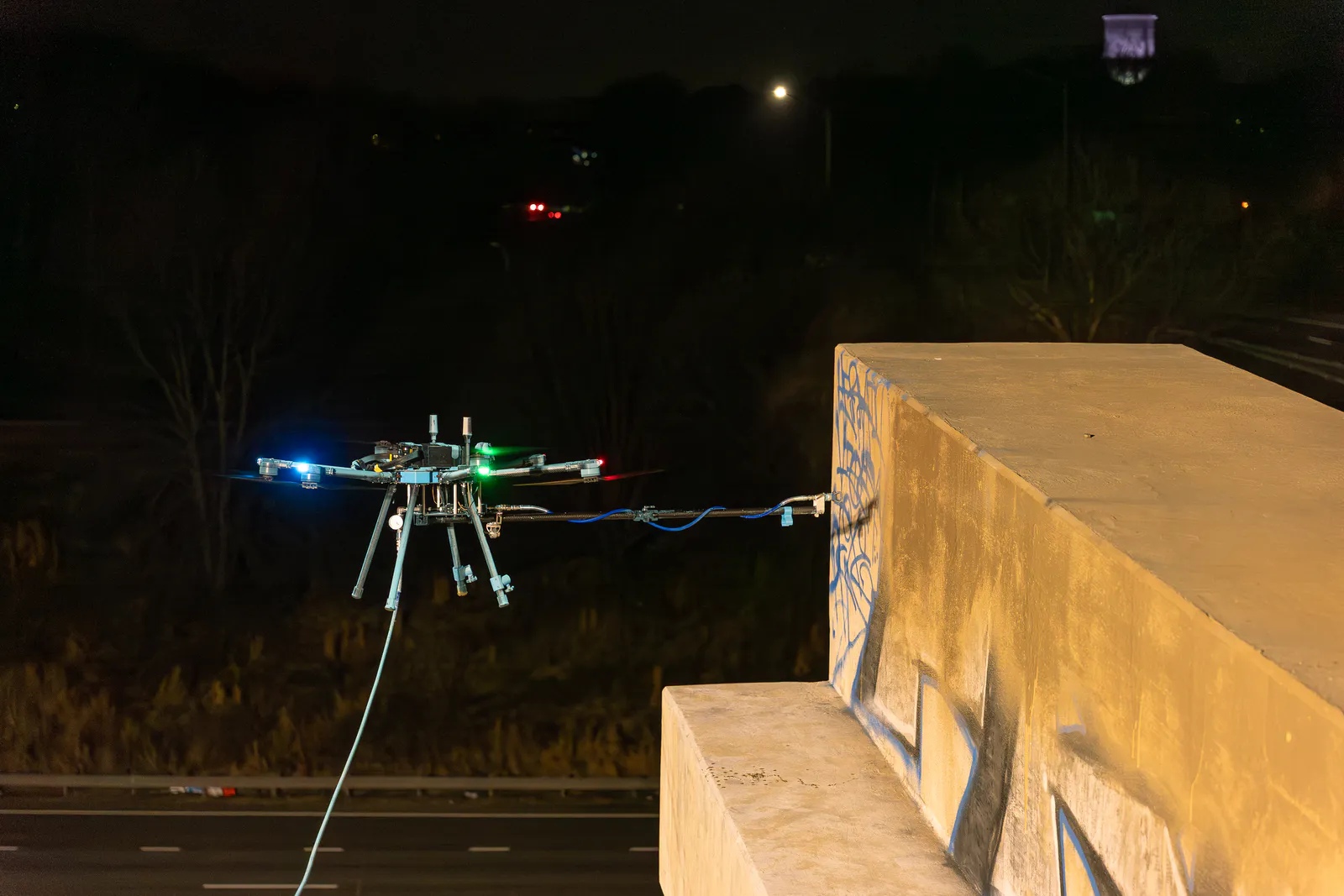
Pressure, flow, temperature, chemistry, dwell, distance, and tooling must fit the substrate and contaminant. A project may combine drone-supported application with conventional flatwork or detail work after test areas establish compatibility and the site plan addresses access, people, traffic, overspray, runoff, and wastewater.
Built for
- Parking structures and decks
- Stadium concrete, grandstands, and concourses
- Bridges, overpasses, and infrastructure
- Plazas, hardscapes, and building podiums
Surfaces we clean
Method Review
What the project must resolve
Compare access by surface zone
Upper structures, edges, soffits, flatwork, corners, joints, and obstructed areas may require different access and tools. Price the accepted plan, not an assumed single method.
Let the authority set traffic controls
For public or vehicle-facing work, the controlling authority determines required lanes, shoulders, sidewalks, work zones, permits, spotters, and time windows after reviewing the complete operating envelope.
Treat coatings as a separate scope
A sealer or coating requires its own manufacturer requirements, surface preparation, moisture conditions, test area, application controls, cure window, and acceptance criteria.
Common Questions
Straight answers
Is a drone powerful enough for real pressure washing?
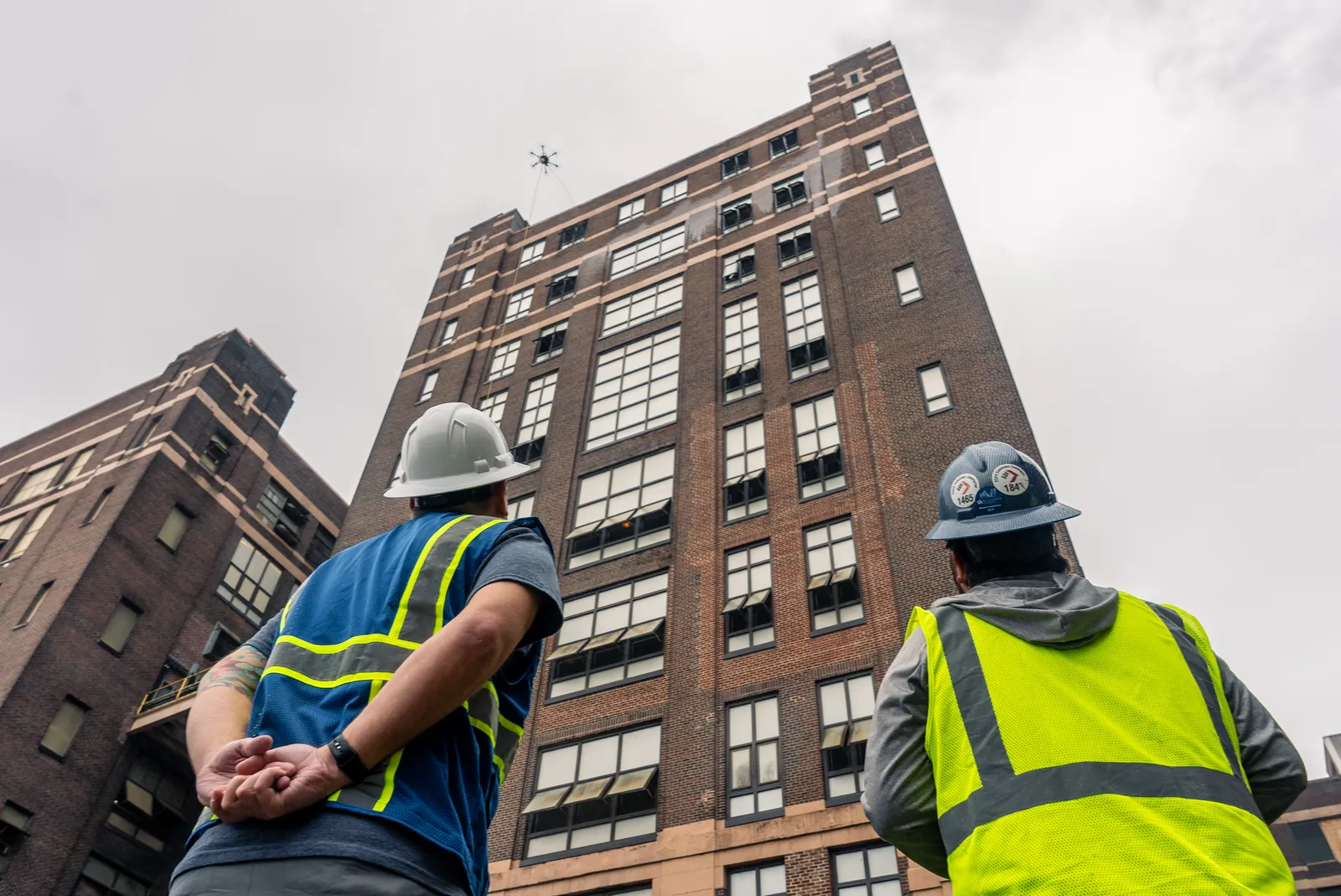
Feasibility depends on the aircraft and pump limits, tether and hose configuration, working distance, surface orientation, required pressure and flow, site geometry, wind, and finish standard. Confirm those inputs with a representative test.
What about surfaces a drone can’t do well?
Divide the property into surface zones and assign the method that can meet each zone’s finish and control requirements. Flatwork, detailing, shielded areas, and stubborn contamination may require conventional tools or another specialist.
Do you recover the wash water?
The owner and contractor should identify drains, receiving waters, contaminants, products, permits, local requirements, and the approved containment, diversion, collection, treatment, or disposal plan before work.
Pricing, Honestly
What drives the price of pressure washing
- Measured surface zones and the type, depth, and source of contamination
- Substrate strength, existing coatings, joints, damage, and test-area findings
- Access, traffic, pedestrian, equipment, hose, overspray, and work-zone controls
- Water supply plus containment, diversion, recovery, treatment, and disposal requirements
- Separate preparation or coating scopes, documentation, finish standard, and exclusions
Keep Exploring
Common For
Have a pressure washing scope to evaluate?
Or ask whether a live demonstration is appropriate for your property.
Planning ahead? Ask about an exterior condition report →